Hyperbaric Oxygen Therapy (HBOT) is one of the services offered by Circulation Station as part of our wellness serves and known for its many benefits. But can hyperbaric oxygen therapy treat long COVID? Many patients continue to struggle with fatigue, brain fog, pain, and neurological symptoms long after acute infection. In this article, we also consider how HBOT may support those experiencing long COVID-related complications.
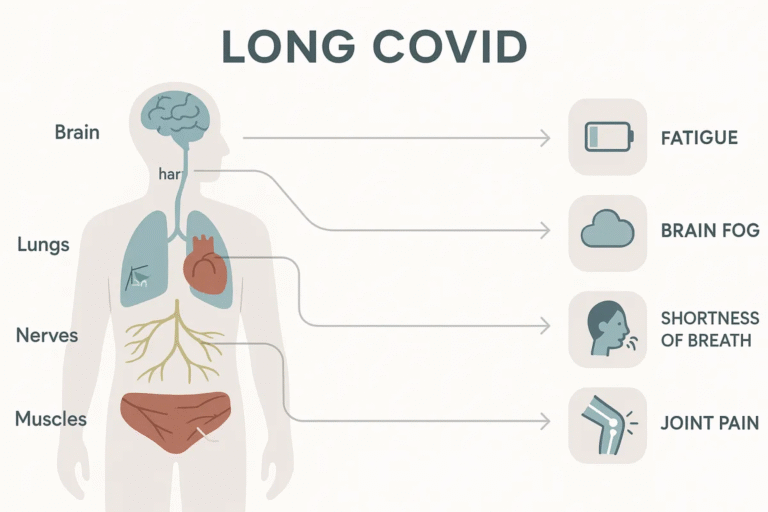
Long COVID (also called post-acute sequelae of SARS-CoV-2 infection, or PASC) Long COVID can impact immune regulation, and many people experience autoimmune disease symptoms. Common COVID symptoms for long COVID patients include:
Symptoms can overlap, so we keep care simple and goal-driven rather than diagnostic-heavy. We start with a brief intake and safety screening to understand your goals, then create a straightforward plan built around Hyperbaric Oxygen Therapy and Red Light Therapy—adjusting session length and frequency to your response—to support energy, sleep, recovery, and overall well-being.
Hyperbaric oxygen therapy works by increasing the amount of oxygen your blood plasma can carry under pressure. This enriched oxygen delivery supports healing in tissues affected by injury, inflammation, or chronic illness. The benefits extend to both neurological conditions and systemic health concerns.
By addressing both wellness and systemic challenges, hyperbaric oxygen therapy offers a safe, noninvasive approach to healing. Many clients at Circulation Station report improved clarity, sleep, energy, and pain relief, showing its value as part of a comprehensive care plan.
In general, mild hyperbaric oxygen therapy (mHBOT) is considered safe. Some patients, especially early in treatment, may experience:
While very rare, more serious complications can include barotrauma affecting the ears, sinuses, or lungs, as well as oxygen toxicity from excessive exposure. These potential adverse events are closely monitored, including watching for pulmonary barotrauma in sensitive individuals.
At Circulation Station, every patient is educated in advance about possible effects, and sessions are continuously monitored so protocols can be adjusted if discomfort arises.
Although oxygen toxicity is rare in mild HBOT settings, recognizing early symptoms is important. These may include:
In extremely rare cases, prolonged high oxygen exposure may provoke more severe symptoms, such as a toxicity seizure.
To minimize risk, Circulation Station follows strict safety guidelines:
Because our staff is highly trained and attentive, each session is tailored to individual tolerance with rapid intervention when needed.
Every patient receives a comprehensive neurological and orthopedic exam, along with advanced diagnostics such as posture analysis, lab testing, or imaging when necessary. This careful evaluation reduces medical risk and ensures safe care.
mHBOT works best when combined with the Circulation Station Approach, which addresses inflammation through neurological, musculoskeletal, chemical, and hormonal pillars.
Choosing mild hyperbaric oxygen therapy at Circulation Station means receiving personalized, integrative care. Our approach combines services such as red light therapy, weight loss programs, and hyperbaric oxygen therapy to target systemic inflammation at its root.
If you’re interested in exploring whether mHBOT fits your care plan, schedule a Consult & Exam. During your visit, we review your history, complete appropriate testing, and design a personalized plan aligned with your health goals.
hyperbaric oxygen therapy for long covid, hyperbaric oxygen therapy long covid, hbot treatment for long covid, hbot and covid 19, hbot for lingering covid 19 symptoms
Hyperbaric Oxygen Therapy (HBOT) is an innovative treatment method that utilizes pure oxygen in a pressurized environment to enhance healing and recovery. This therapy is increasingly recognized for its potential benefits in treating various health conditions, including long COVID. Understanding the principles of HBOT can help patients make informed decisions about their health and recovery options.
This guide delves into how HBOT works, its applications, and the science behind its effectiveness. By providing an overview of the treatment process and its benefits, patients can better appreciate how HBOT may fit into their overall health strategy, particularly for long COVID recovery.
Hyperbaric Oxygen Therapy operates on the principle that increasing the pressure of oxygen allows more of it to dissolve in the blood, enhancing oxygen delivery to tissues. This increased oxygen supply can promote healing, reduce inflammation, and improve energy levels, which are critical for individuals suffering from long COVID symptoms.
The therapy involves patients breathing pure oxygen in a specialized chamber, which can lead to various physiological changes that support recovery. For instance, improved oxygenation can stimulate the body's natural healing processes, making it a valuable adjunctive treatment for patients experiencing prolonged symptoms after COVID-19 infection.
Many patients have shared their positive experiences with Hyperbaric Oxygen Therapy, particularly in relation to long COVID recovery. Testimonials often highlight significant improvements in energy levels, cognitive function, and overall well-being after undergoing HBOT sessions at Circulation Station.
These personal accounts serve as powerful endorsements of the therapy's efficacy. By showcasing real-life stories, potential patients can gain insights into what they might expect and how HBOT can contribute to their health recovery journey.
At Circulation Station, every patient begins their journey with a comprehensive consultation to assess their unique health needs. This initial evaluation is crucial for developing a personalized treatment plan that incorporates Hyperbaric Oxygen Therapy along with other supportive therapies tailored to individual recovery goals.
The treatment planning process includes a thorough review of medical history, diagnostic testing, and discussions about patient expectations. This holistic approach ensures that each patient receives care that is specifically designed to address their symptoms and promote optimal recovery outcomes.