Hyperbaric oxygen therapy (HBOT) is offered at Circulation Station as a noninvasive support option. Many patients in Loudon and the surrounding area with neurological or systemic conditions want to understand potential risks before starting therapy. This overview provides the side effects of hyperbaric oxygen therapy explained in clear, accurate terms, aligned with what we offer at Circulation Station.
At Circulation Station, we provide mild hyperbaric oxygen therapy (mHBOT). In this therapy, patients breathe concentrated oxygen inside a pressurized chamber set to a level moderately above normal atmosphere. This allows oxygen to dissolve more effectively into plasma, delivering greater oxygenation to tissues.
Conditions addressed at Circulation Station include migraines, concussion/TBI, autoimmune disease, and long COVID. mHBOT supports recovery by reducing inflammation, improving oxygen delivery, and promoting cellular repair. Circulation Station integrates mHBOT with other explicitly offered services: weight loss, redlight therapy.
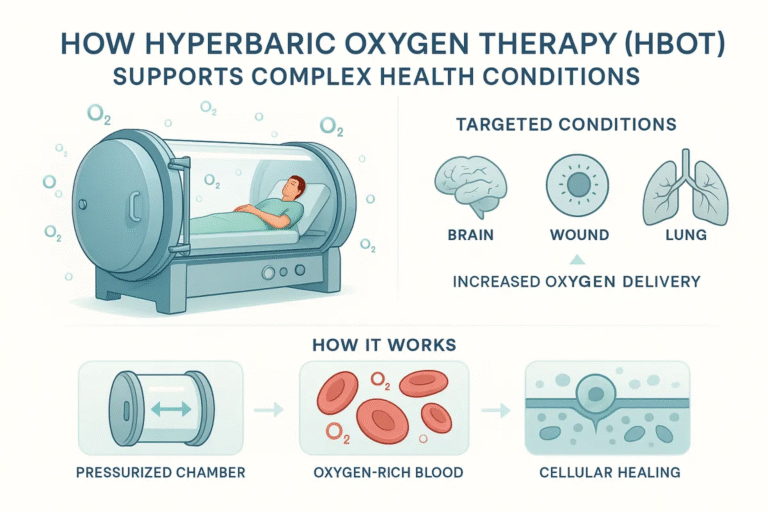
Hyperbaric oxygen therapy works by increasing the amount of oxygen your blood plasma can carry under pressure. This enriched oxygen delivery supports healing in tissues affected by injury, inflammation, or chronic illness. The benefits extend to both neurological conditions and systemic health concerns.
By addressing both wellness and systemic challenges, hyperbaric oxygen therapy offers a safe, noninvasive approach to healing. Many clients at Circulation Station report improved clarity, sleep, energy, and pain relief, showing its value as part of a comprehensive care plan.
In general, mild hyperbaric oxygen therapy (mHBOT) is considered safe. Some patients, especially early in treatment, may experience:
While very rare, more serious complications can include barotrauma affecting the ears, sinuses, or lungs, as well as oxygen toxicity from excessive exposure. These potential adverse events are closely monitored, including watching for pulmonary barotrauma in sensitive individuals.
At Circulation Station, every patient is educated in advance about possible effects, and sessions are continuously monitored so protocols can be adjusted if discomfort arises.
Although oxygen toxicity is rare in mild HBOT settings, recognizing early symptoms is important. These may include:
In extremely rare cases, prolonged high oxygen exposure may provoke more severe symptoms, such as a toxicity seizure.
To minimize risk, Circulation Station follows strict safety guidelines:
Because our staff is highly trained and attentive, each session is tailored to individual tolerance with rapid intervention when needed.
Every patient receives a comprehensive neurological and orthopedic exam, along with advanced diagnostics such as posture analysis, lab testing, or imaging when necessary. This careful evaluation reduces medical risk and ensures safe care.
mHBOT works best when combined with the Circulation Station Approach, which addresses inflammation through neurological, musculoskeletal, chemical, and hormonal pillars.
Choosing mild hyperbaric oxygen therapy at Circulation Station means receiving personalized, integrative care. Our approach combines services such as red light therapy, weight loss programs, and hyperbaric oxygen therapy to target systemic inflammation at its root.
If you’re interested in exploring whether mHBOT fits your care plan, schedule a Consult & Exam. During your visit, we review your history, complete appropriate testing, and design a personalized plan aligned with your health goals.
side effects of hyperbaric oxygen treatment, hyperbaric oxygen therapy side effects, what is the most common complication of hyperbaric oxygen therapy, hyperbaric oxygen therapy complications, hbot therapy side effects, hyperbaric oxygen side effects, hyperbaric oxygen therapy risks, hyperbaric side effects, circulation station loudon, hbot treatment side effects, htob, hyperbaric treatment side effects, side effects of hyperbaric oxygen therapy, negative side effects of hyperbaric oxygen therapy
Hyperbaric oxygen therapy (HBOT) is a medical treatment that involves breathing pure oxygen in a pressurized environment. This therapy is recognized for its ability to enhance the body's natural healing processes, making it beneficial for a variety of health conditions including chronic wounds, infections, and neurological disorders. By increasing the amount of oxygen in the bloodstream, HBOT promotes tissue repair and regeneration, supporting overall health and wellness.
At Circulation Station, we emphasize the importance of understanding HBOT in the context of individual health needs. Our facility provides tailored treatment plans designed to maximize the benefits of therapy, ensuring that each patient receives the appropriate care based on their specific conditions and health goals. This comprehensive approach not only addresses immediate health concerns but also supports long-term recovery and wellness.
Many patients at Circulation Station have experienced remarkable improvements in their health and well-being following hyperbaric oxygen therapy. Testimonials highlight various success stories, from relief from chronic pain and migraines to enhanced cognitive function and energy levels. These positive outcomes reinforce the effectiveness of HBOT as a vital component of a holistic health strategy.
For instance, one patient shared their journey of overcoming debilitating migraines that had persisted for years. After several sessions of HBOT, they reported a significant reduction in the frequency and intensity of their headaches, allowing them to return to their daily activities with renewed vigor. Such testimonials not only inspire potential patients but also underscore the transformative potential of hyperbaric therapy.
As interest in hyperbaric oxygen therapy grows, many potential patients have questions regarding its safety, effectiveness, and the overall treatment process. Common inquiries include the duration of sessions, what to expect during therapy, and how to prepare for an appointment. Addressing these questions is essential for patient education and comfort.
At Circulation Station, we provide clear and comprehensive answers to these FAQs, ensuring that patients feel informed and supported throughout their treatment journey. This proactive approach not only alleviates concerns but also fosters a trusting relationship between patients and our healthcare team, ultimately enhancing the overall therapeutic experience.
The efficacy of hyperbaric oxygen therapy is supported by a growing body of research demonstrating its benefits across various medical conditions. Studies indicate that HBOT can significantly improve outcomes for patients suffering from conditions such as diabetic foot ulcers, radiation injuries, and traumatic brain injuries. This evidence-based approach reinforces the credibility of HBOT as a legitimate treatment option.
Circulation Station stays updated with the latest research findings and clinical guidelines to ensure that our patients receive the most effective and scientifically backed therapies. By integrating current research into our practice, we not only enhance the quality of care but also empower patients with knowledge about the therapeutic benefits of HBOT.